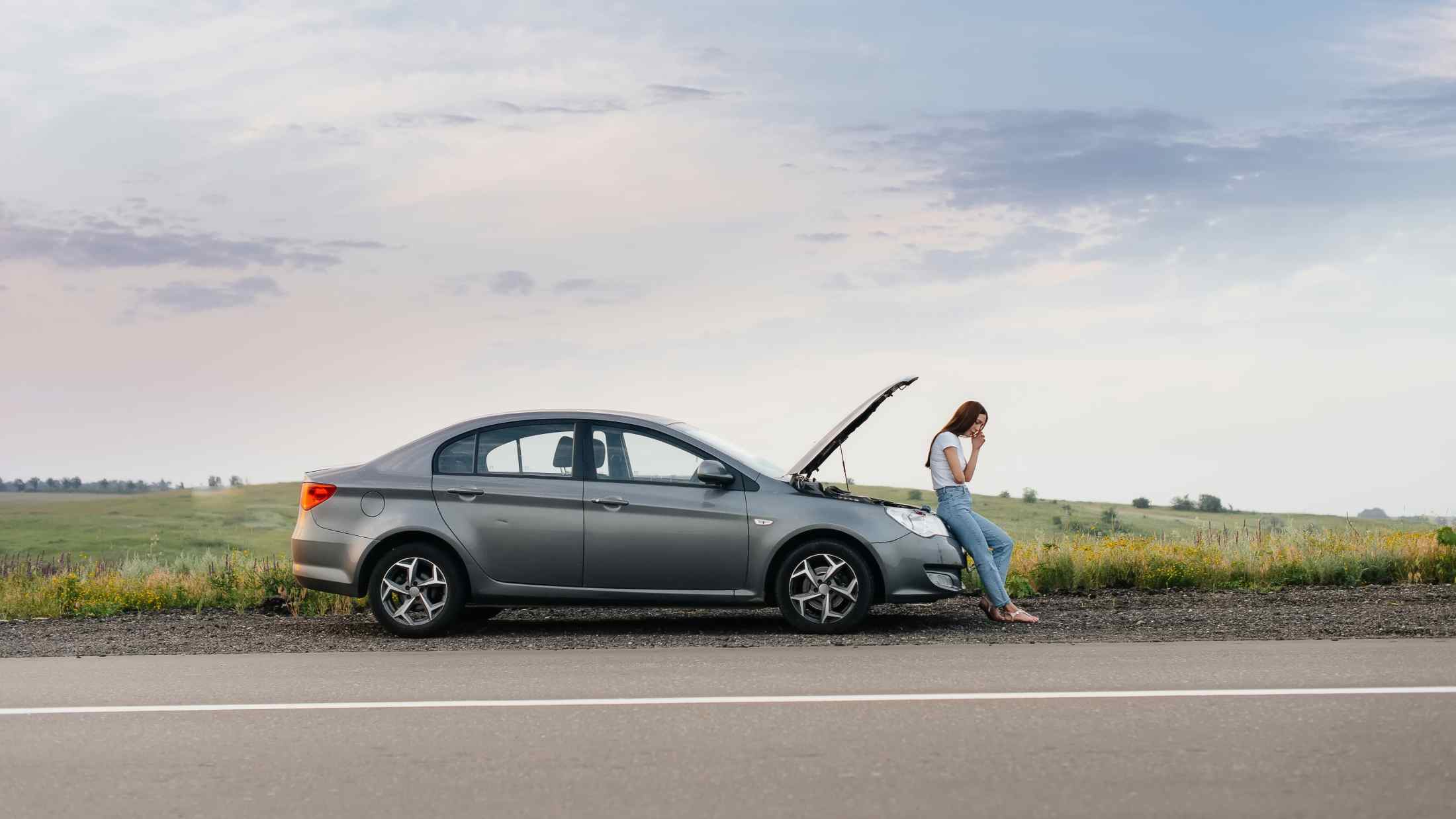
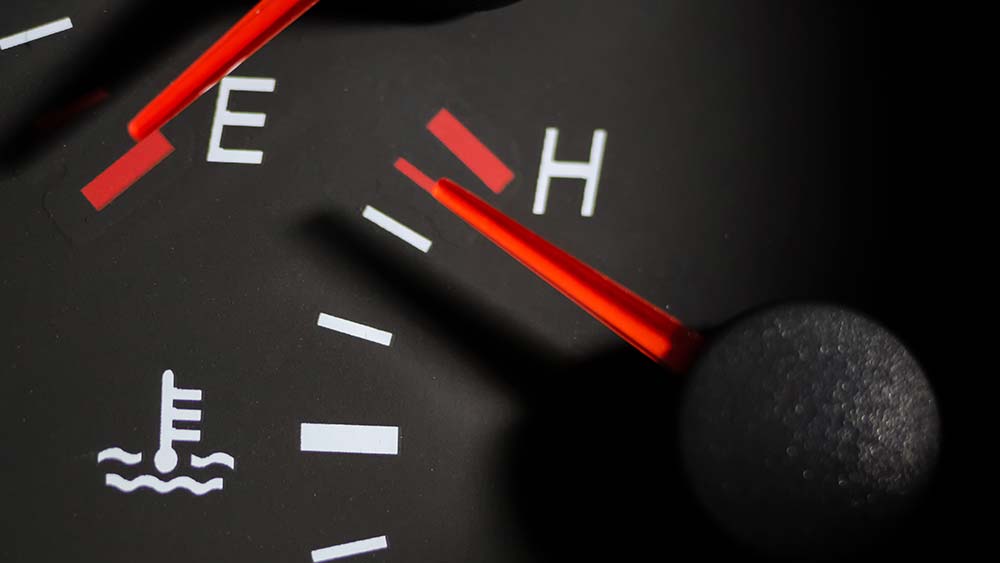
Most of us have been there. You’re driving along when - to your horror - steam starts pouring from under the bonnet. You check the temperature gauge. It’s in the red. So, what do you do now?
In this guide:
- What do I do if my car overheats?
- Why has my car overheated?
- How do I check my car's coolant?
- Is coolant dangerous?
- What's the difference between the coolant reservoir and the radiator?
- How do I stop my car overheating again?
What do I do if my car overheats?
If your car overheats, pull in somewhere safe and away from moving traffic. Then, call your breakdown service.
They’ll be able to diagnose whether the problem is an easy-fix or something more serious.
An overheating car can seriously damage your engine, not to mention your bank balance. A cracked engine block can be repaired but is very expensive.
Why has my car overheated?
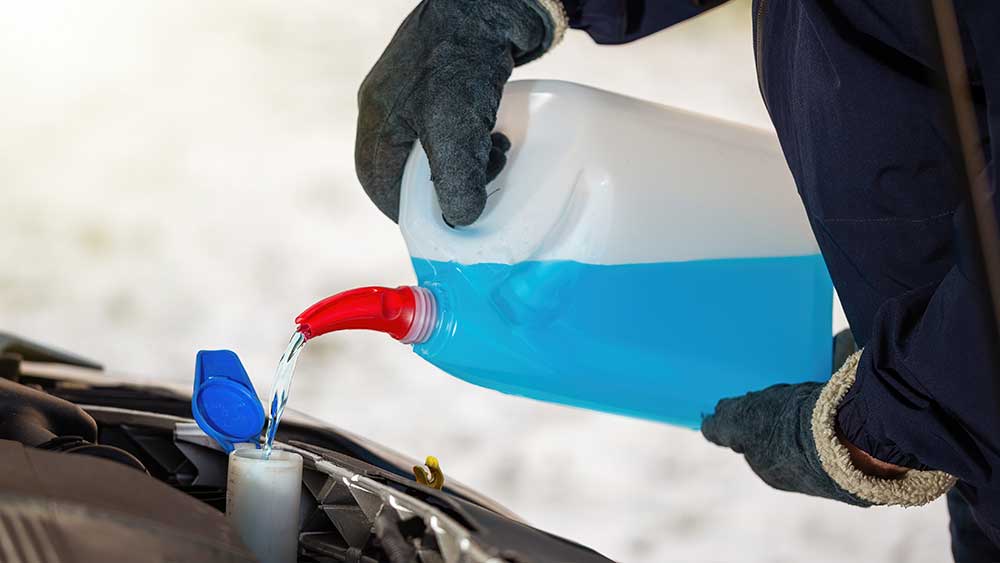
A common cause of overheating is low coolant levels. Check your coolant and top it up if it’s looking low. You might find this solves the problem.
If that doesn’t do the trick, have a think about when your engine heats up. Knowing when it happens might help your local garage to diagnose the problem.
My engine overheats on short trips
Coolant issues aside, overheating on short trips could be due to:
- The drive belt
- The electric cooling fan
- The ignition
- A vacuum leak
- The thermostat
- The head gasket.
My engine overheats on longer journeys
All the above still apply. But there are a few more problems you can add to the list; from a clogged radiator or engine block, to a faulty cooling fan, thermostat, or fan belt.
Though, here are two easy-to-solve problems:
- The car is overloaded.
- It’s being driven too hard.
How do I check my car's coolant?
There’s a common misconception that coolant is only needed in the summer, but that’s not true. Your car needs coolant throughout the year to ensure the engine runs smoothly.
Make a habit of checking your coolant regularly.
Here’s how to check your car’s coolant:
- Open the bonnet from the lever inside the car.
- If the engine’s hot, leave it to cool down for half an hour or so. This takes patience but there’s a risk you’ll burn yourself if you don’t.
- The coolant reservoir should be easy to spot as it’s generally made of opaque plastic (unlike the metal oil reservoir). If you’re not sure, check your car manual or ask a mechanic. Pouring coolant into the oil tank is one mistake you don’t want to make.
- If it’s empty or below the ‘MIN’ marker, check for signs it’s leaking. Coolant is often coloured red, green, blue or pink so it’s easy to spot in a puddle under the car.
- If your coolant is low, top up the reservoir with pre-mixed coolant, or warm distilled water mixed with antifreeze (split about 50/50). Don’t use tap water.
- If the coolant is between the ‘MIN’ and ‘MAX’ markers, you probably have a more serious engine problem.
Is coolant dangerous?
Coolant is a mixture of distilled water and antifreeze, which is made up of ethylene glycol and propylene glycol, both dangerous chemicals.
They have a sweet taste, which is attractive to children and pets. Always keep coolant and antifreeze out of reach. If you spill it, please clean it up. Even if you don’t have any pets, wildlife will lap it up.
What's the difference between the coolant reservoir and the radiator?
Your car’s cooling system takes heat from the engine by pumping coolant through pipes around your engine’s cylinders. The heat from the engine turns the coolant into a gas, which passes through the radiator. The radiator then turns the gas back into a liquid and releases the heat to the outside of the vehicle.
That’s why you need to add coolant to the coolant reservoir, and not the radiator. The reservoir feeds the radiator.
With some older models, there’s no reservoir, just a radiator. If that’s an issue for you, ask a mechanic for advice on what to do.
Never pour cold water into a hot radiator as you’ll damage the engine. Also, don’t attempttry to unscrew the radiator cap if the engine is hot. It will spit hot water and steam, and you could scald yourself.
How do I stop my car overheating again?
- Change your coolant. Ask your garage to change it every 40,000 or miles or so.
- Check for cracks and leaks. Look at the radiator and the coolant reservoir, as well as the pipes that feed them.
- Service your car regularly. Take your car in for regular services. Ask the mechanic to include oil and coolant changes according to the manufacturer’s guide.
- Spare coolant. Keep some extra coolant in the boot in case you need a top up.
- Pay attention to warning lights. If you spot a light, check your manual and act to get it fixed.
- Watch out for white smoke in your exhaust. This could be a sign of an internal engine leak, forcing coolant into the cylinder.
- Look out for a bubbling radiator. This can also be caused by cracks in the engine, head, or head gasket.
- Check your radiator cap. If it’s loose it can also lead to leaks. Make sure it’s sealed tightly. You could save yourself a lot of trouble simply by investing in a new cap.
Your Swiftcover breakdown cover
If you have Swiftcover Breakdown Cover and your car starts to overheat, you can relax knowing we’re here for you. You can report your breakdown online or give our 24/7 emergency helpline a ring for roadside assistance.
If we can’t fix the problem at the roadside within an hour, we’ll arrange to have the car towed to one of our approved garages.
No matter how hot things get, we’re here to help you get back to the good stuff.