Included as standard on all cover levels
-
Theft and fire cover
-
Damage to other people's cars or property
-
Injury to other people
-
Audio and sat-navs cover
Choosing your car insurance
Product
Swiftcover
Car Insurance
Swiftcover Plus
Car Insurance
Product description
For your essential needs
Premium cover level for your peace of mind
Feature
Lifetime guarantee on repairs made by our approved repairers
 Included
Included
Included
90 days European cover
Included
Included
Onward travel promise
 Not included
Included
Not included
Included
Stolen key cover
Not included
Included
Wrong fuel cover
Not included
Included
Optional extras
Add any of the following cover options when you get a quote:

No Claims Discount protection
Had car insurance for a year or more, and haven't made a claim? Get a No Claims Discount. And with at least one year's no claims discount, you can protect it with Swiftcover car insurance.
And if you purchase this as an add-on, you can keep your discount at renewal if you make a claim, and can have one claim in a year, or two claims in a three-year period.
Find out more about adding No Claims Discount protection to a Swiftcover car insurance policy

Legal cover
If an accident happens and you weren’t at fault, legal cover will cover the costs associated with recovering uninsured losses - which includes your excess, transport costs, loss of earnings, medical expenses and compensation awarded for injuries.
Find out more about adding Legal cover to a Swiftcover car insurance policy

Courtesy car
If you choose Swiftcover Car Insurance, you’ll be able to add a courtesy car to your policy. This means we’ll help you get back on the road with a small courtesy car, when you make a valid claim. This is included as standard for Swiftcover Plus Car Insurance customers.
Find out more about adding Courtesy car cover to a Swiftcover car insurance policy

Courtesy car upgrade
If you choose Swiftcover Plus Car Insurance, you’ll get a courtesy car as standard. However, you can upgrade your cover to get a car that’s a similar size to your own when you make a valid claim. So, if you driver a 7-seater, we’ll try our best to make sure you get something similar while yours is being repaired.
Find out more about upgrading the courtesy car cover on your Swiftcover car insurance policy

Personal accident and rehabilitation
Rely on expert medical care after an accident in your car. With Personal Accident payments included too, you could receive up to £100,000 to help you on your way.

Breakdown cover
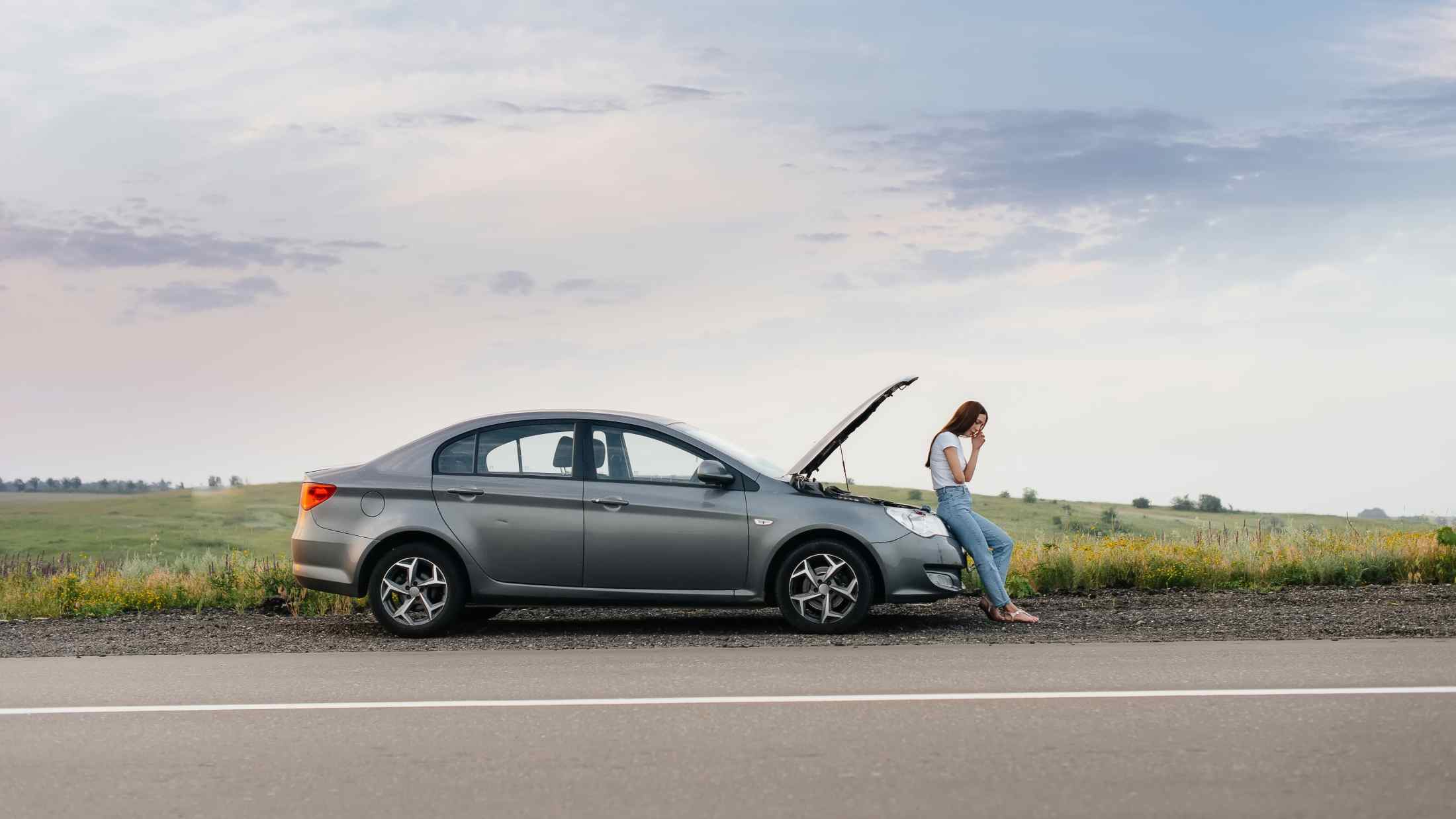
Don’t worry if your car breaks down by the side of the road. Swiftcover offers four levels of protection that you can customise to fit your needs.
Choose from Swift Roadside, Swift Rescue, Swift Rescue & Home Start (includes recovery at home) or Swift European (inlcudes recovery at home).
Find out more about adding Breakdown cover to a Swiftcover car insurance policy
Our customers have rated us overall as ‘Excellent’ on Trustpilot
Frequently asked questions
-
Can I drive someone else’s car?
-
Your guide to providing your No Claims Discount
-
How to view or change car details
-
Do I need to send Swiftcover proof of my No Claims Discount?
-
Is it worth protecting my No Claims Discount?
Policy documents
Detailed documents on the cover you’ll get with Swiftcover insurance.